Our Milestones & Updates

A glimpse of our journey, achievements, news updates, and success stories at Dhaanyaganga KVK

Our Achievements

No achievements found

News Updates

News update image

Jul 25, 2026

News update image

Jul 25, 2026

News update image

Jul 25, 2026

News update image

Jun 05, 2026

Success Stories

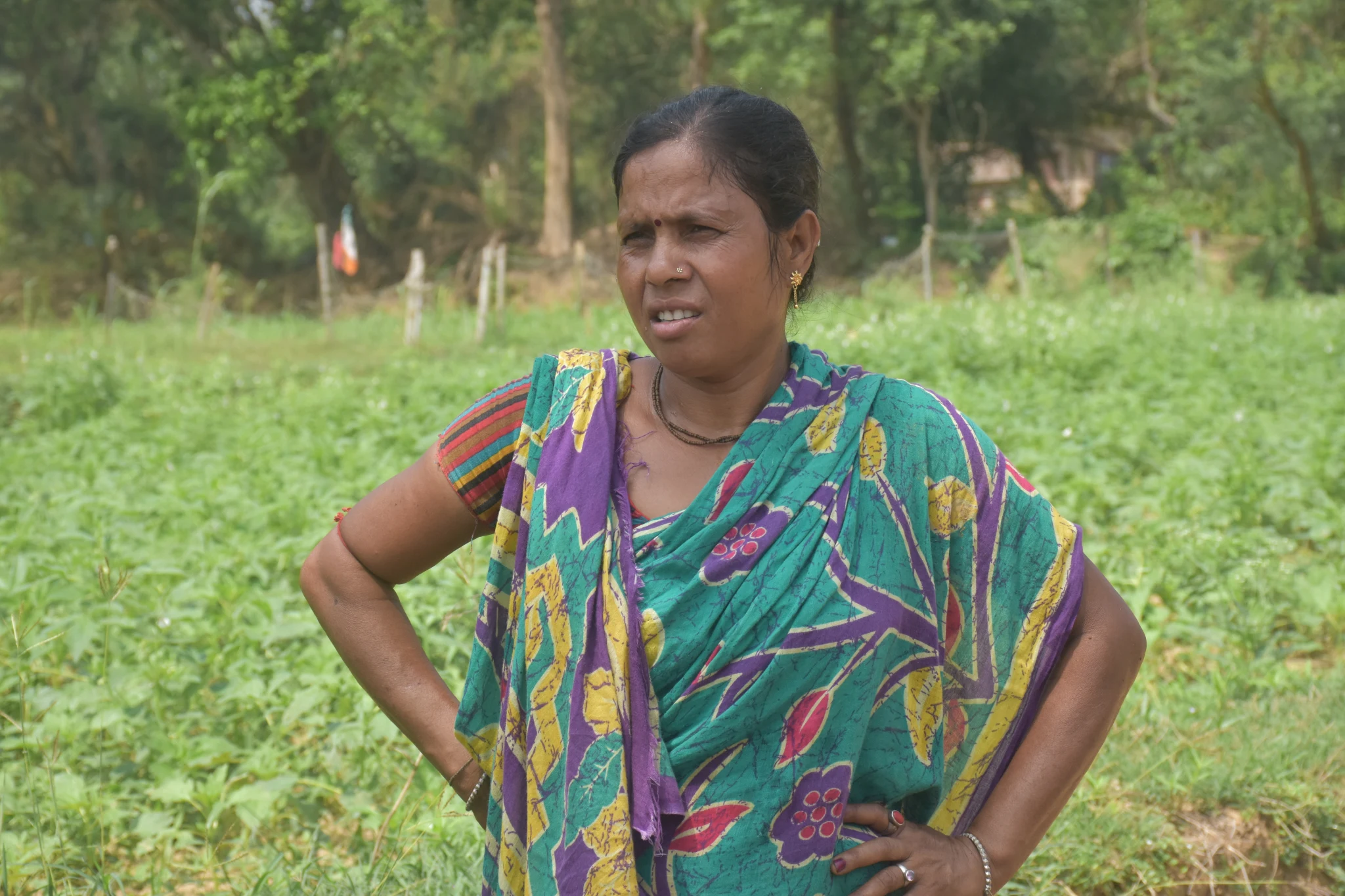
Custom Hiring Centers (CHCs)/Seed Banks/Fodder Banks/ Vermicomposting Units/Mushroom cultivation/Nursery Raising/Value Addition and Processing Units/Any other successful women-managed enterprises) - Image 1
Custom Hiring Centers (CHCs)/Seed Banks/Fodder Banks/ Vermicomposting Units/Mushroom cultivation/Nursery Raising/Value Addition and Processing Units/Any other successful women-managed enterprises) - Image 2
Custom Hiring Centers (CHCs)/Seed Banks/Fodder Banks/ Vermicomposting Units/Mushroom cultivation/Nursery Raising/Value Addition and Processing Units/Any other successful women-managed enterprises) - Image 3
Custom Hiring Centers (CHCs)/Seed Banks/Fodder Banks/ Vermicomposting Units/Mushroom cultivation/Nursery Raising/Value Addition and Processing Units/Any other successful women-managed enterprises) - Image 4
Custom Hiring Centers (CHCs)/Seed Banks/Fodder Banks/ Vermicomposting Units/Mushroom cultivation/Nursery Raising/Value Addition and Processing Units/Any other successful women-managed enterprises) - Image 5
Custom Hiring Centers (CHCs)/Seed Banks/Fodder Banks/ Vermicomposting Units/Mushroom cultivation/Nursery Raising/Value Addition and Processing Units/Any other successful women-managed enterprises) - Image 6
Custom Hiring Centers (CHCs)/Seed Banks/Fodder Banks/ Vermicomposting Units/Mushroom cultivation/Nursery Raising/Value Addition and Processing Units/Any other successful women-managed enterprises) - Image 7

Custom Hiring Centers (CHCs)/Seed Banks/Fodder Banks/ Vermicomposting Units/Mushroom cultivation/Nursery Raising/Value Addition and Processing Units/Any other successful women-managed enterprises)

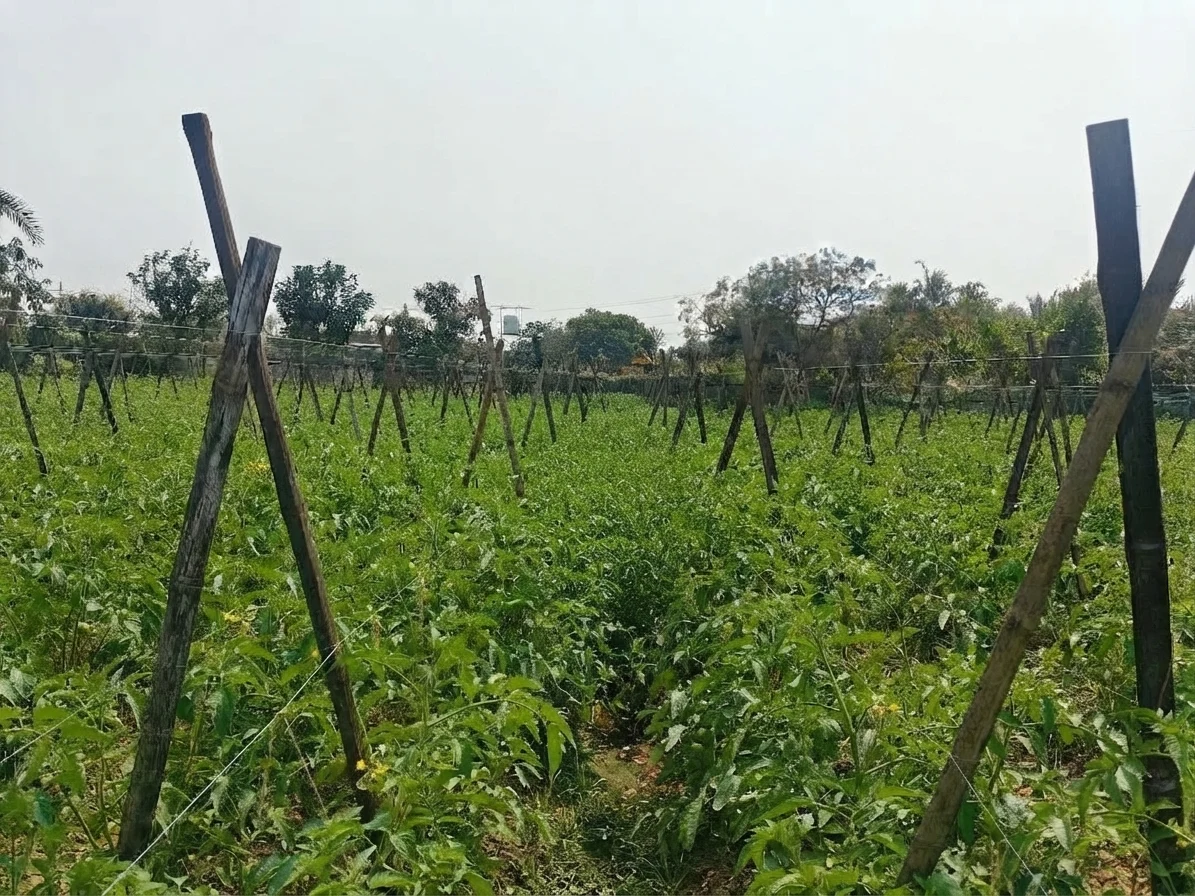
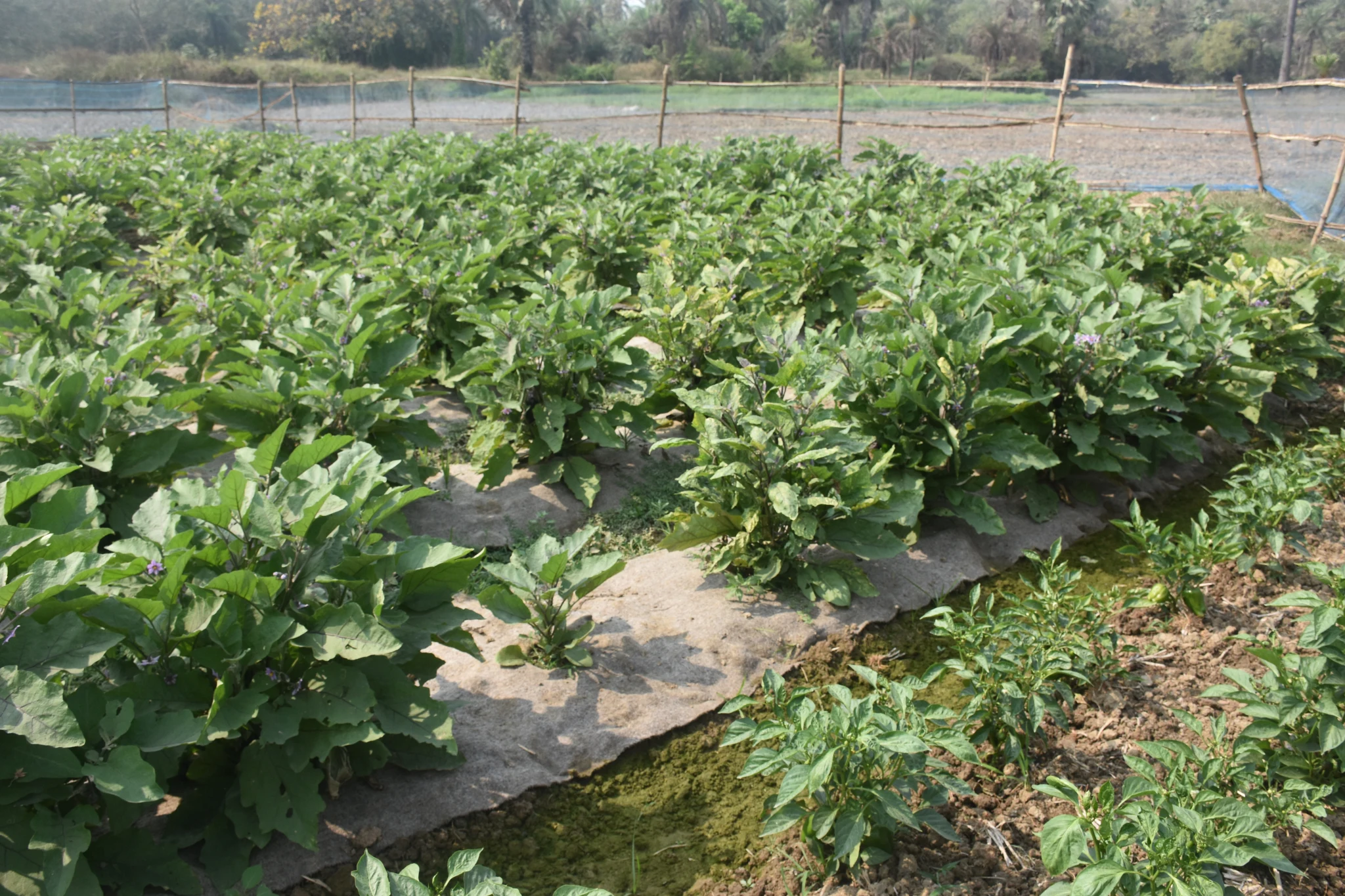
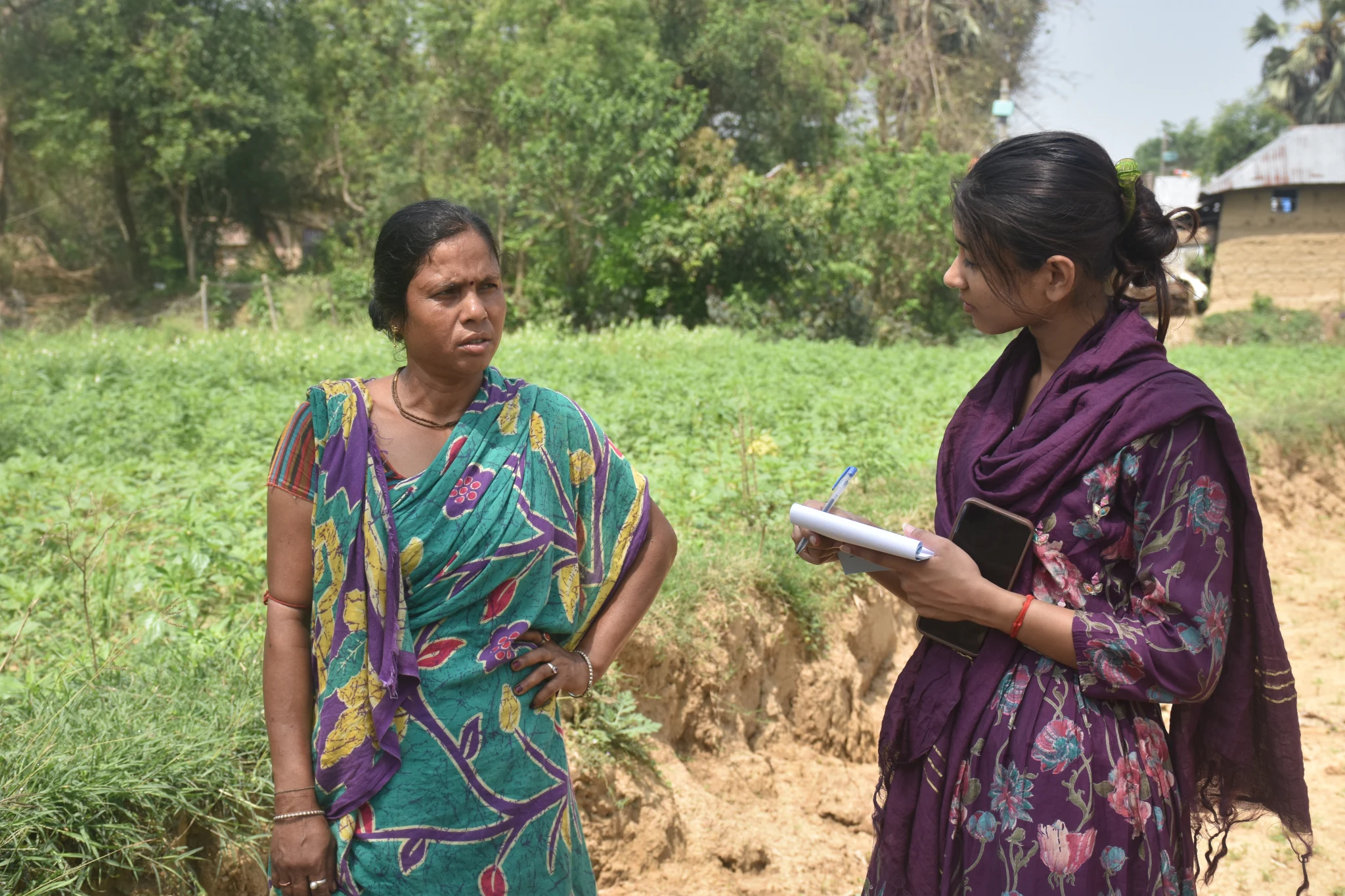
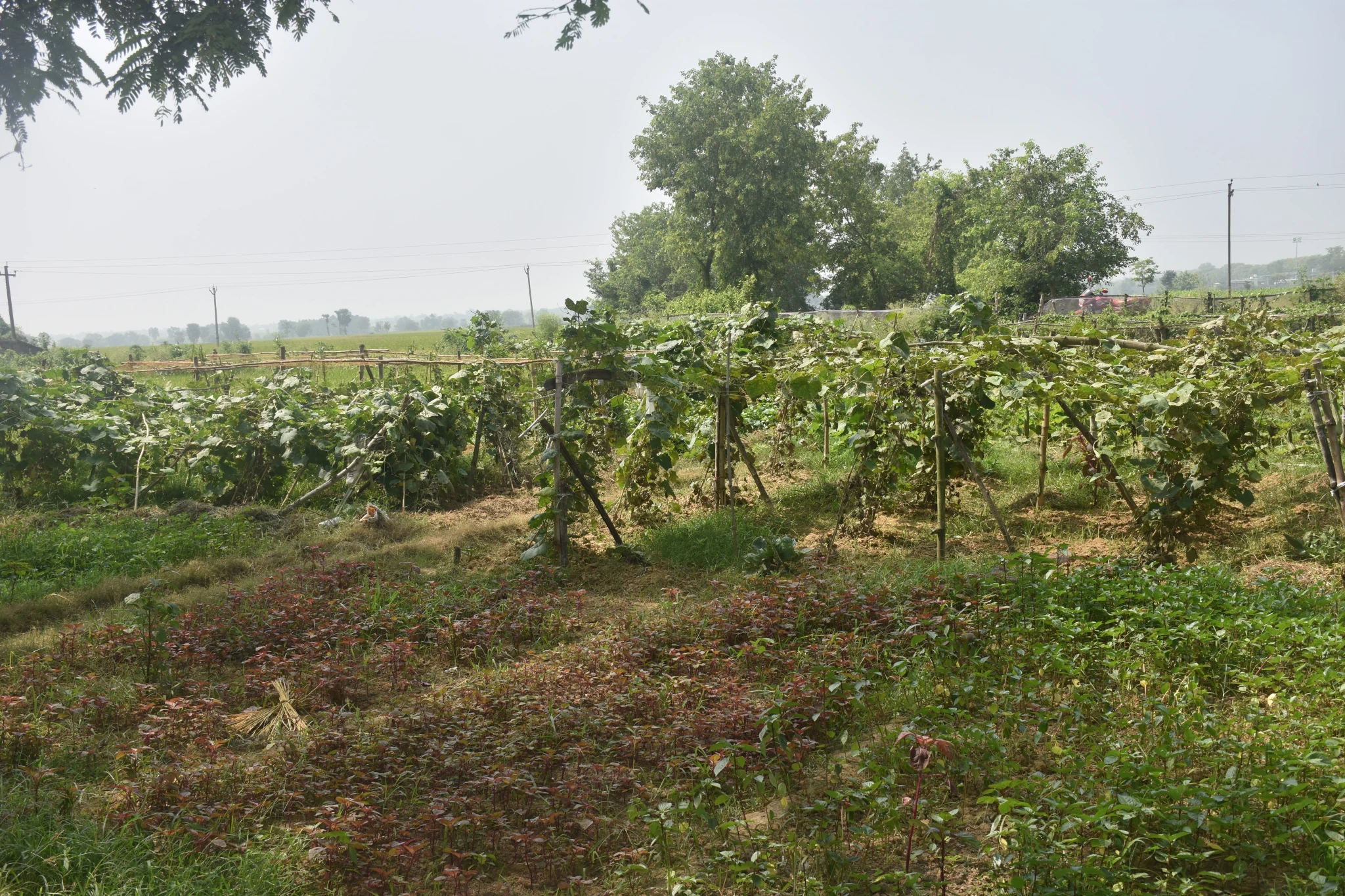
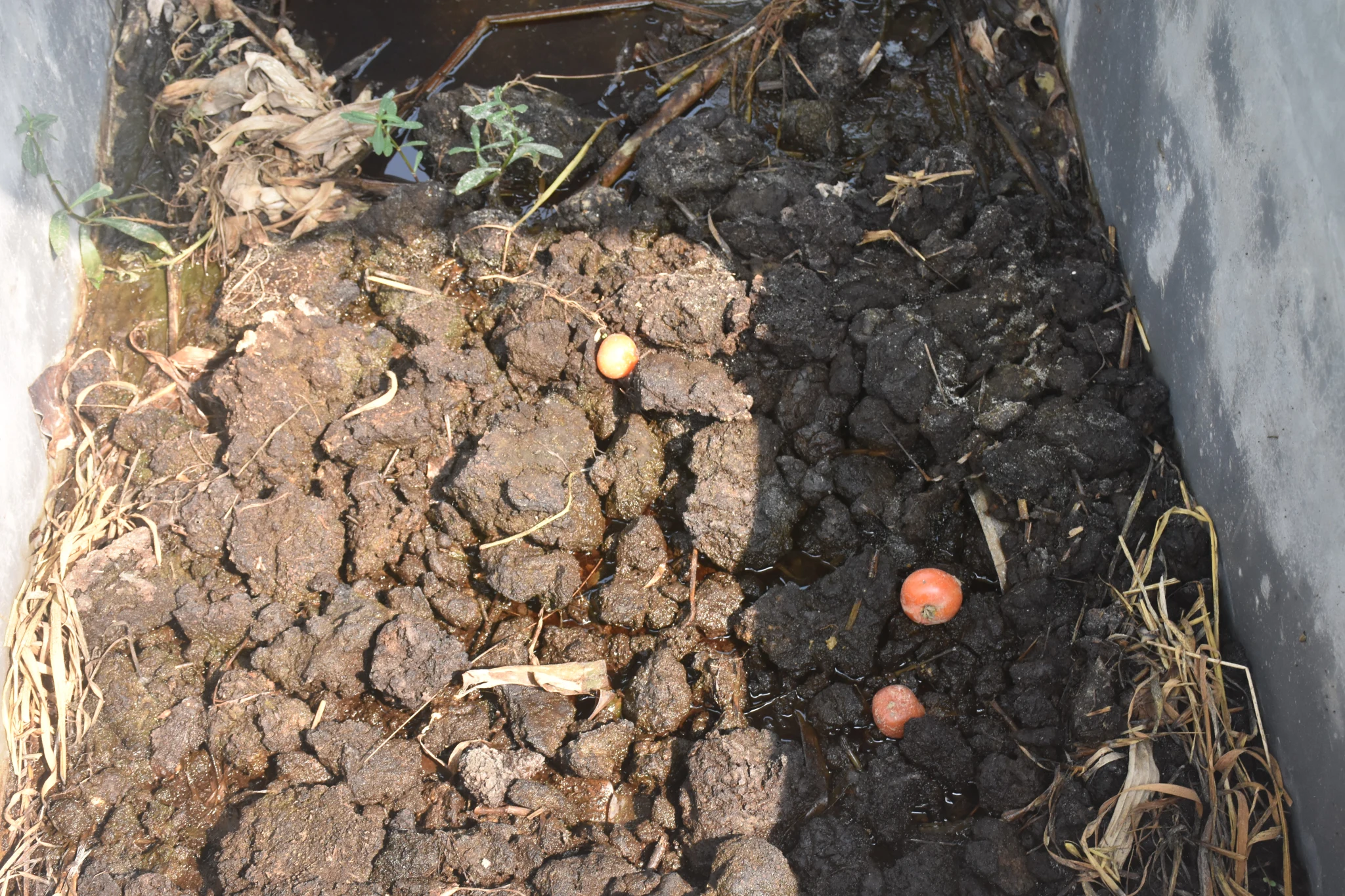
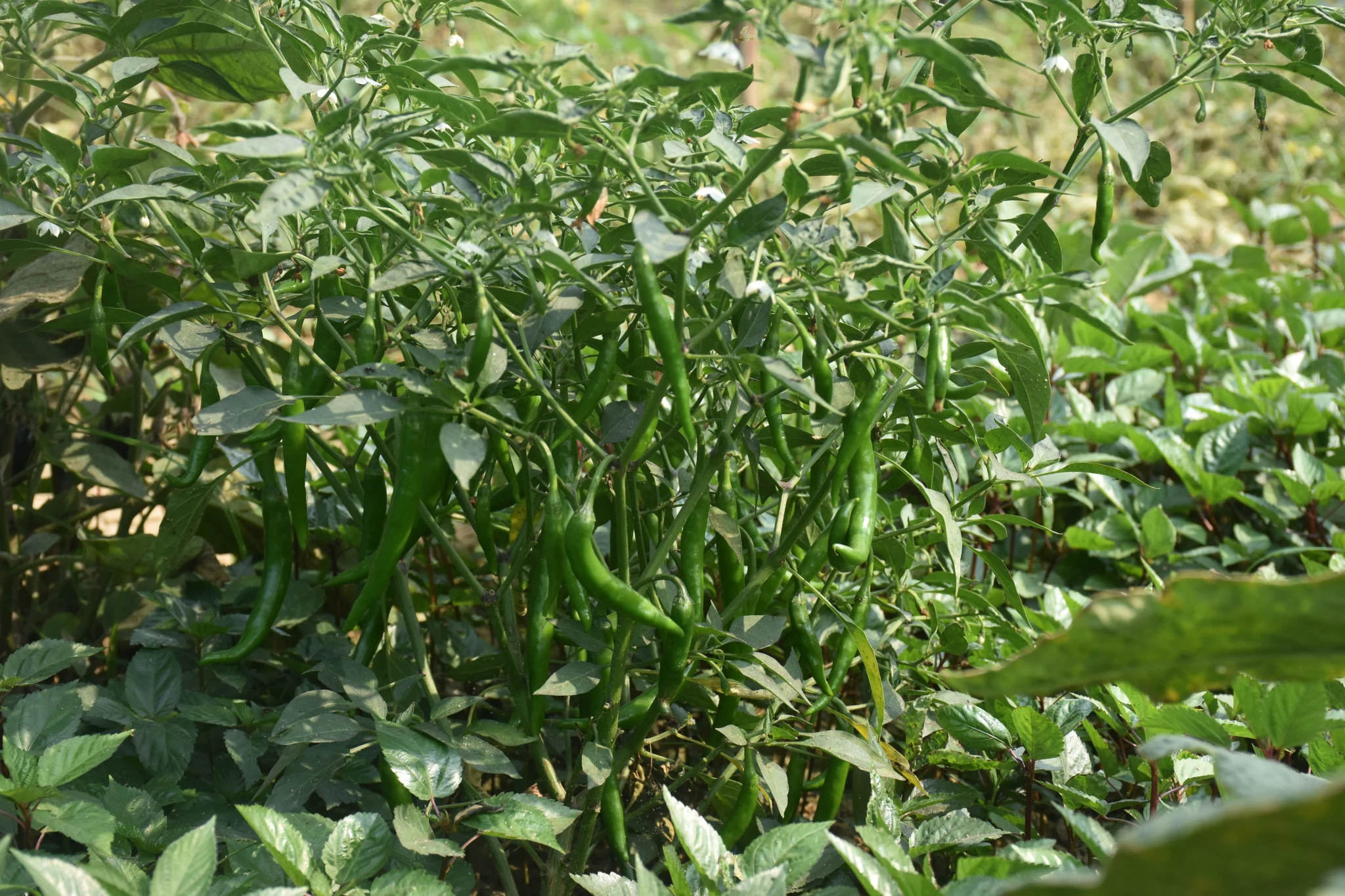
Smt. Sonali Hazra of Hatpara village, Murshidabad, manages a 1.5 ha diversified and climate-resilient farm enterprise under the guidance of Dhaanyaganga Krishi Vigyan Kendra (Murshidabad Additional). The farm integrates cereals, pulses, vegetables and fruit crops, supported by vermicompost, FYM, liquid organic manure, jute and paddy straw mulching, vegetable nursery raising and low-cost trellising. Jute mulching in brinjal increased net returns by approximately 23.3% over conventional cultivation. The enterprise has enhanced income stability, reduced cultivation and household food costs, improved nutrition and strengthened women's decision-making and economic participation. Through NICRA-VCRMC and KVK extension activities, 11 farmers have adopted similar climate-smart practices. She has also initiated home-based tomato value addition, while KVK and NICRA are facilitating a community-based processing unit for commercial production and collective marketing.

Duration / Timeline
12 Months
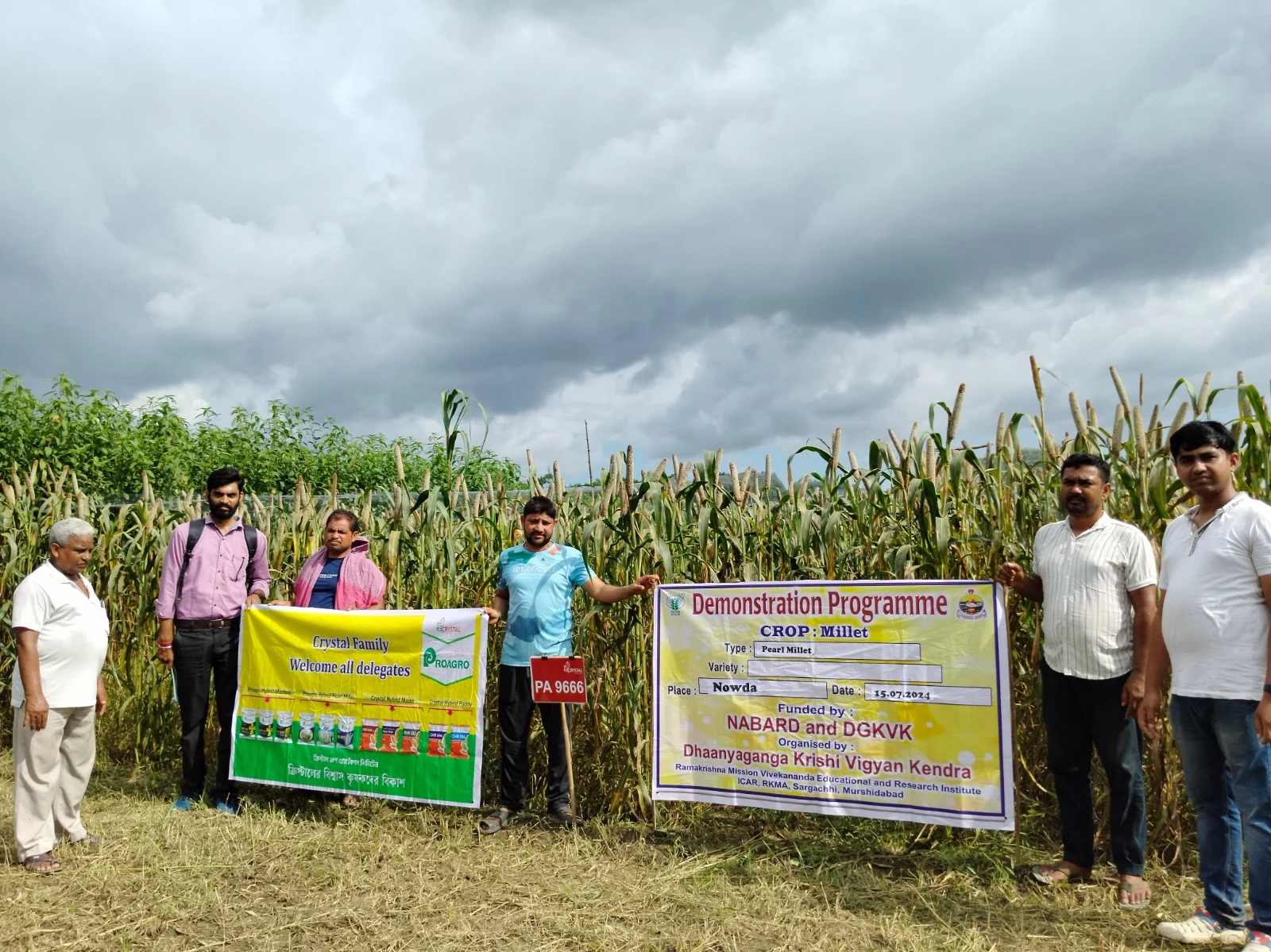
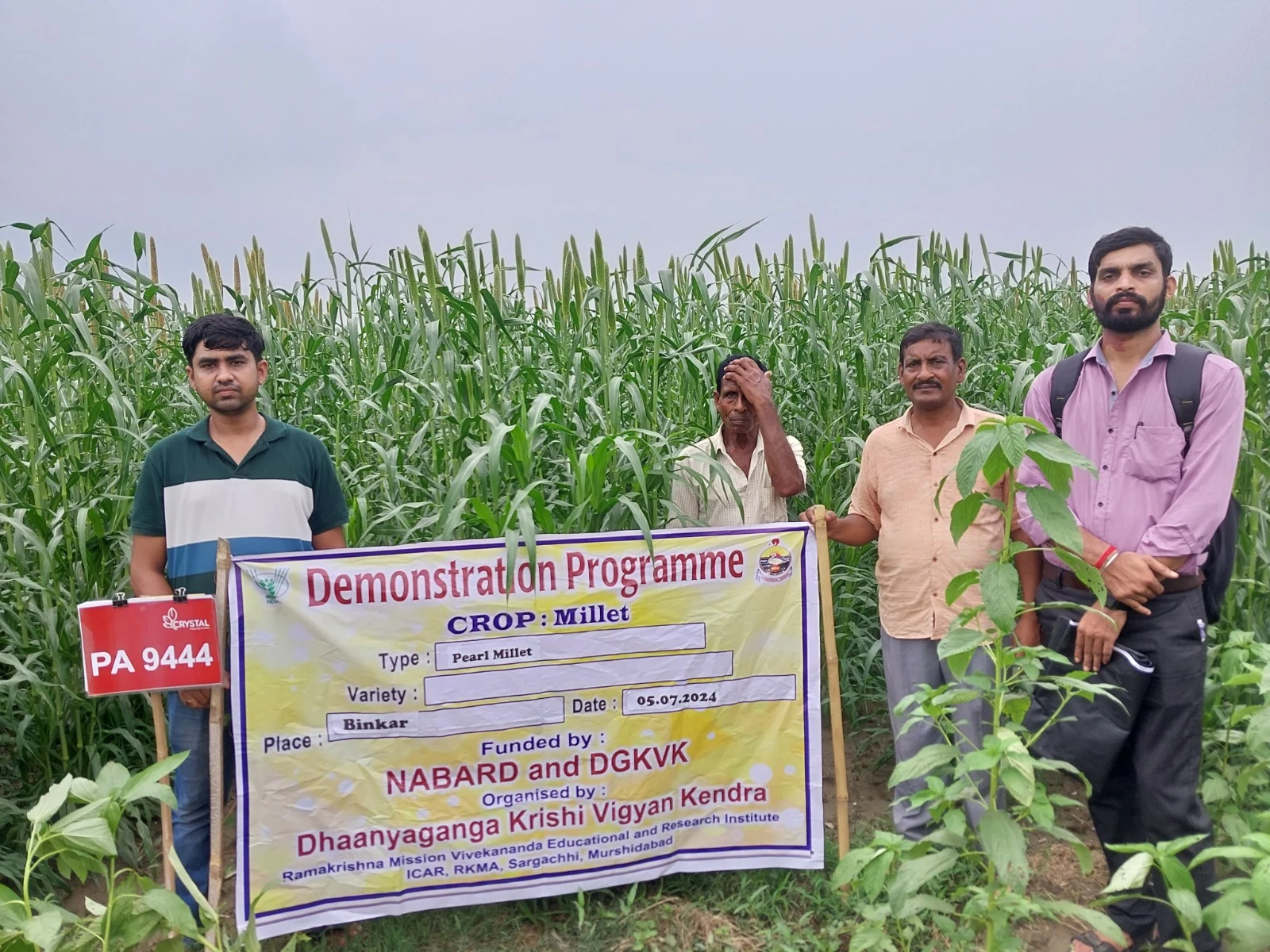
Reviving Millets, Revitalizing Rural Livelihoods: A Success Story from Murshidabad - Image 1
Reviving Millets, Revitalizing Rural Livelihoods: A Success Story from Murshidabad - Image 2
Reviving Millets, Revitalizing Rural Livelihoods: A Success Story from Murshidabad - Image 3
Reviving Millets, Revitalizing Rural Livelihoods: A Success Story from Murshidabad - Image 4

Reviving Millets, Revitalizing Rural Livelihoods: A Success Story from Murshidabad

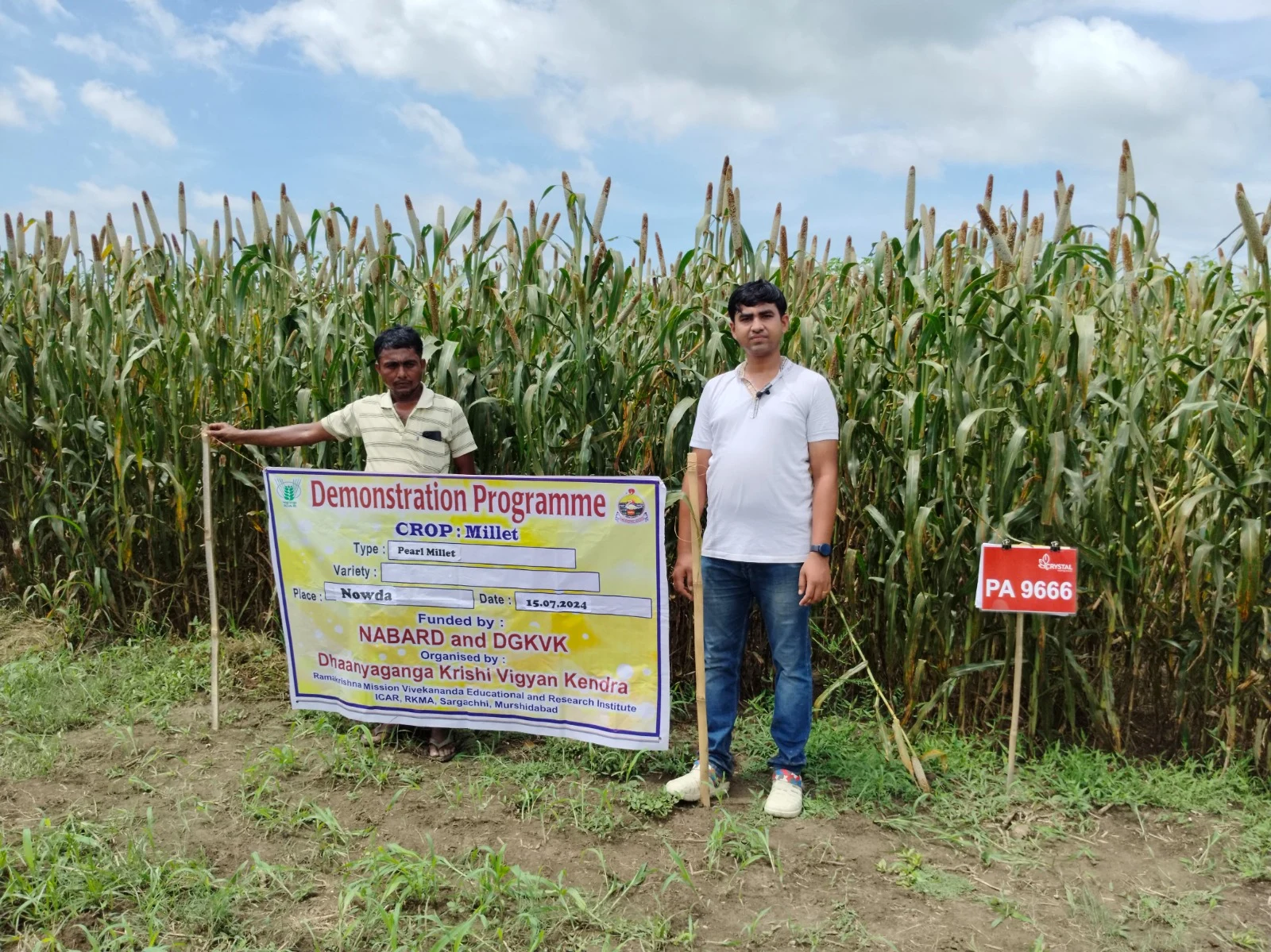
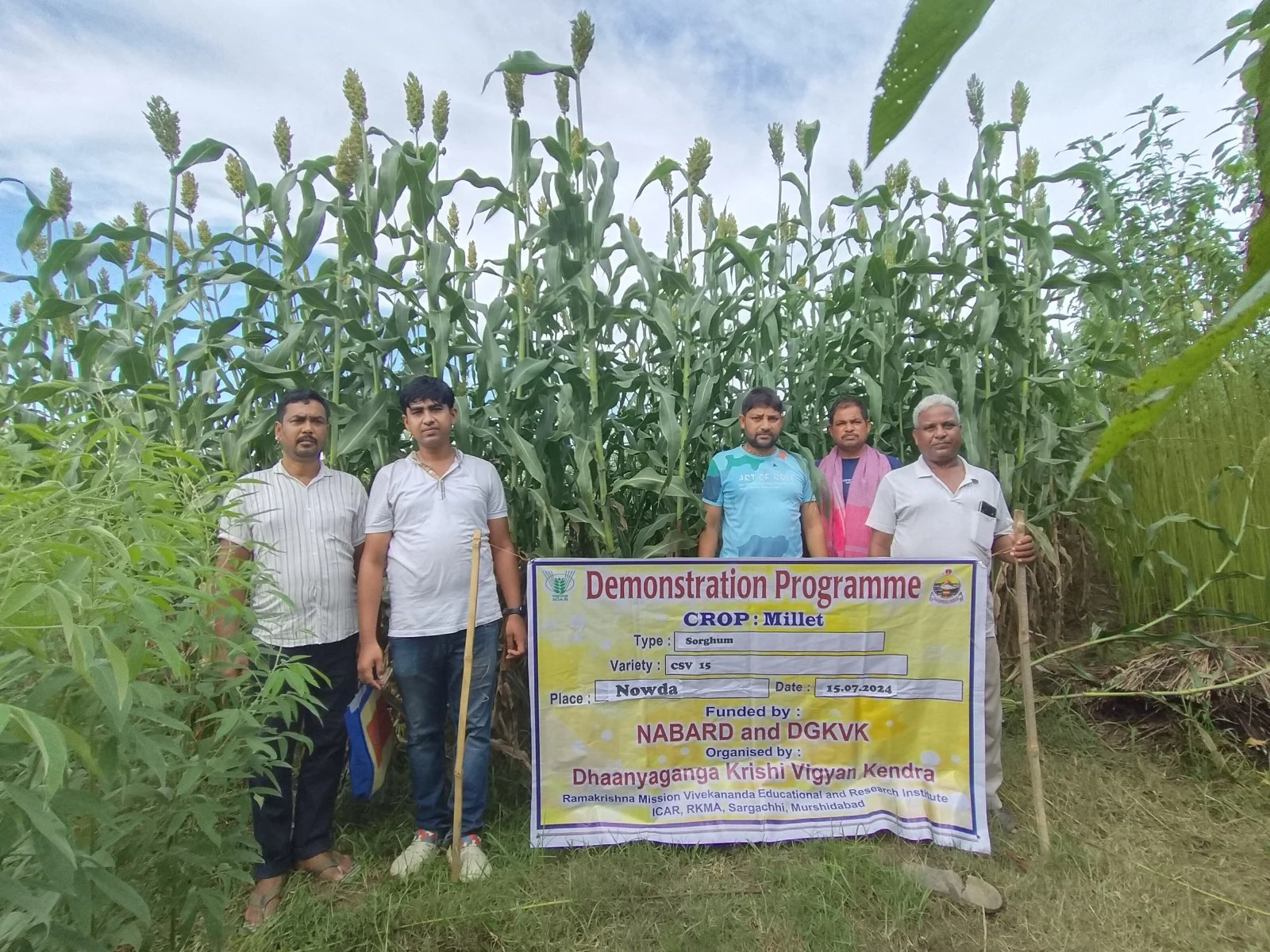
Dhaanyaganga Krishi Vigyan Kendra (KVK), Sargachhi, with financial support from NABARD, implemented a project to revive millet cultivation and promote millet-based livelihoods in Murshidabad, West Bengal. The initiative covered six blocks and focused on farmer training, demonstrations, awareness programmes, value addition, processing, and market linkages, with special emphasis on rural youth, farm women, SHGs and FPCs. More than 1,350 farmers were reached, with 53% being women. Millet cultivation expanded to 21.5 hectares, producing 61.5 quintals of different millet varieties. An assured market was created, with about 80% of production procured for processing and value addition. The project strengthened local value chains, improved nutritional awareness, empowered women, and promoted climate-resilient agriculture. It provides a replicable model for sustainable millet-based entrepreneurship and rural livelihood development.

Duration / Timeline
24 Months
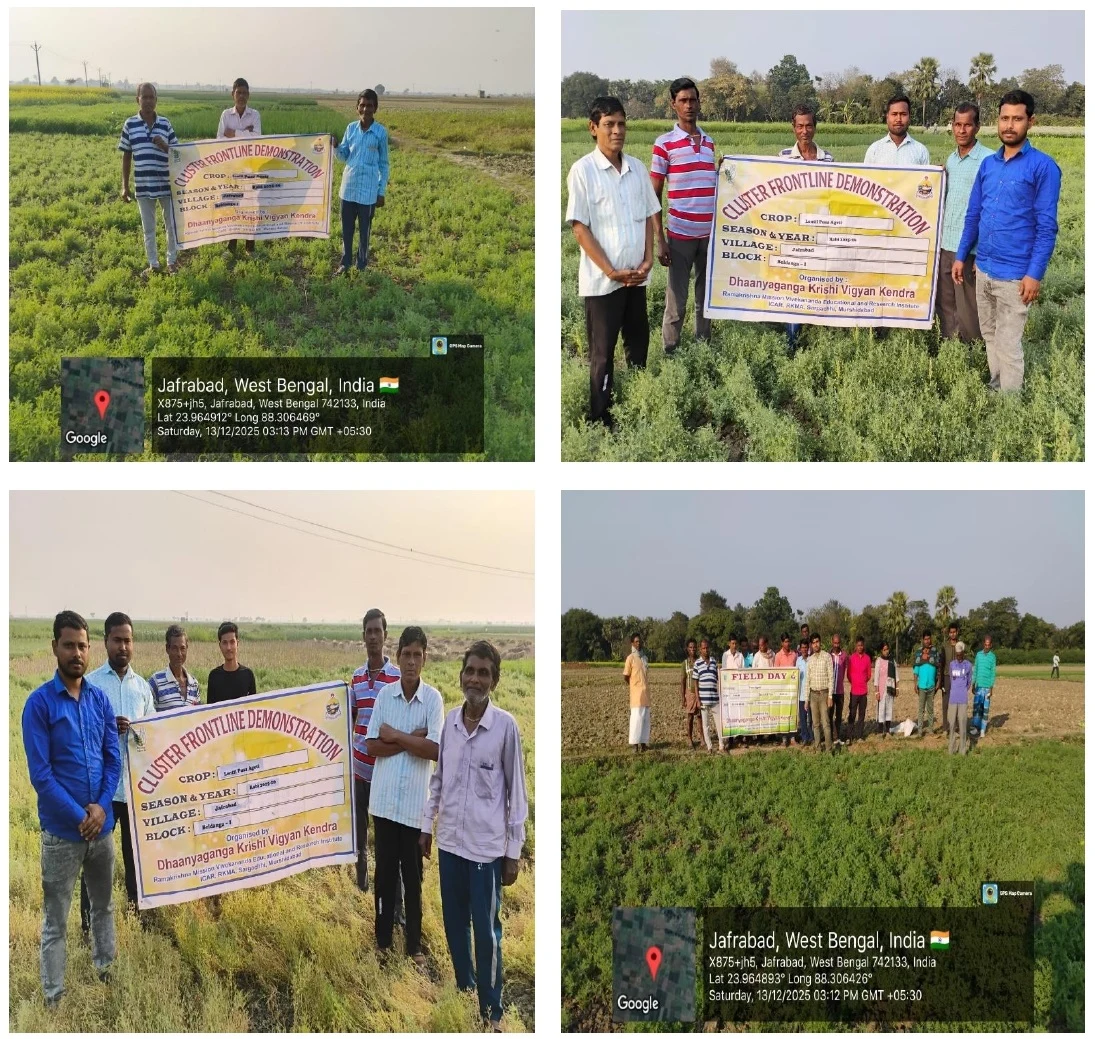
Improved Lentil Production through Scientific Crop Management under CFLD Pulses - Image 1

Improved Lentil Production through Scientific Crop Management under CFLD Pulses

Shri Sunil Biswas, a farmer from Jafrabad village, Murshidabad, West Bengal, improved his lentil production through a Cluster Front Line Demonstration (CFLD) conducted by Dhaanyaganga Krishi Vigyan Kendra during 2024–25. The demonstration introduced the high-yielding, early-maturing variety Pusa Ageti, along with Nano DAP, micronutrient application, soil testing-based nutrient management, and recommended plant protection practices. As a result, lentil yield increased from 15.50 q/ha under traditional practices to 18.05 q/ha, achieving a 25.25% productivity increase. Net returns rose from ₹49,400/ha to ₹60,825/ha, while the benefit-cost ratio improved from 2.37 to 2.58. Impressed by the results, Shri Biswas decided to continue cultivating Pusa Ageti and encouraged neighbouring farmers to adopt improved technologies. The success demonstrates the potential of scientific crop management to enhance productivity, profitability, and livelihood security.

Duration / Timeline
24 Months
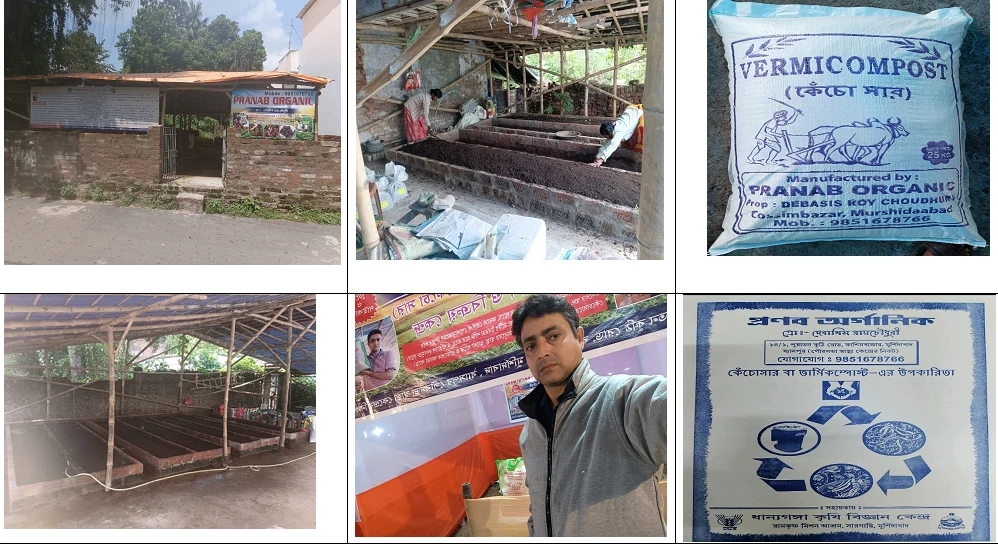
Empowering Urban Youth through Sustainable Vermicomposting Enterprise: A Success Story of Debashis Roy Choudhury - Image 1

Empowering Urban Youth through Sustainable Vermicomposting Enterprise: A Success Story of Debashis Roy Choudhury

Introduction
Dhaanyganga Krishi Vigyan Kendra (DGKVK) under the aegis of Ramakrishna Mission Vivekananda Educational and Research Institute (RKMVERI), Belur Math, Howrah, functioning from Ramakrishna Mission Ashrama, Sargachhi, Murshidabad, West Bengal, has been actively promoting sustainable agricultural practices and livelihood development among rural and urban youth.
One such successful initiative is the vermicomposting enterprise established by Shri Debashis Roy Choudhury of 14/1, Puratan Kuthi Road, Cossimbazar, Murshidabad. Through scientific guidance, technical support, and motivation from DGKVK, he transformed his interest in organic farming into a successful entrepreneurship model. The initiative has not only improved his economic condition but has also created awareness regarding organic waste management, eco-friendly farming, and self-employment opportunities among local youth.
Background
In the present socio-economic scenario, many educated urban youth in Murshidabad district face limited employment opportunities and financial instability. Simultaneously, increasing dependence on chemical fertilizers has adversely affected soil health and environmental sustainability.
Recognizing these challenges, DGKVK identified vermicomposting as a sustainable and low-cost entrepreneurial opportunity for interested youth. Vermicomposting involves the conversion of biodegradable organic waste into nutrient-rich organic manure using earthworms. The technology requires comparatively low investment, utilizes locally available organic waste, and generates good economic returns.
Shri Debashis Roy Choudhury, initially engaged as a small share-market broker with unstable earnings, approached DGKVK with keen interest in organic farming and waste recycling. After detailed scientific discussions and technical interactions with DGKVK experts, he was motivated to establish a vermicomposting unit using available family resources and locally accessible materials.
The initiative not only created an alternative source of income for him but also promoted environmental conservation, waste recycling, and sustainable agriculture in the locality.

Role of Dhaanyganga Krishi Vigyan Kendra (DGKVK)
Debashis Roy Choudhury first gathered preliminary information regarding vermicomposting through digital media and local interactions. Later, he visited Dhaanyganga Krishi Vigyan Kendra, RKMA, Sargachhi, for scientific guidance and technical consultation.
Recognizing his interest and dedication, DGKVK encouraged him to participate in a three-day off-campus non-residential capacity-building training programme on ‘Vermicomposting and its Applications for Sustainable Soil Health Management’, organized jointly by DGKVK in collaboration with the Comprehensive Area Development Corporation (CADC) at Nowdapanur, Berhampore Block, Murshidabad. Under the technical supervision and guidance of Dr. Samrat Adhikary, Soil Scientist, DGKVK provided:
• Scientific training on vermicompost production and management.
• Technical guidance regarding pit preparation, moisture management, and compost maturity.
• Initial support of suitable earthworm species including Perionyx excavatus, Eisenia fetida, and Eudrilus eugeniae.
• Guidance on raw material selection and partial decomposition techniques.
• Marketing support through leaflets, awareness materials, and local networking.
• Regular monitoring and advisory services during the initial establishment phase.
Initially, Debashis constructed low-cost vermicompost pits using his own resources and started collecting cow dung and biodegradable organic waste from nearby dairy farms and households. With continuous technical support from DGKVK, he successfully produced marketable vermicompost within 45-60 days.Gradually, through local awareness generation and product quality improvement, he developed a stable customer base among farmers, kitchen gardeners, nursery owners, and rooftop gardeners.
Duration / Timeline
12 months